City Guide
Buying a Home in Ann Arbor, MI | Mortgage Guide
Ann Arbor's competitive housing market rewards buyers who prepare early. This guide covers neighborhoods, loan programs, and what to expect before you close.
Read moreNo jargon, no filler. Just the housing and lending stories worth your time — written by the officers who actually work the files.

Iowa offers several statewide programs that can reduce upfront costs for first-time buyers. Learn how they work and how to combine them with an FHA loan.
Ann Arbor's competitive housing market rewards buyers who prepare early. This guide covers neighborhoods, loan programs, and what to expect before you close.
Read more
Philadelphia offers first-time buyers a range of neighborhoods, loan programs, and city-backed assistance options worth understanding before you start your search.
Read more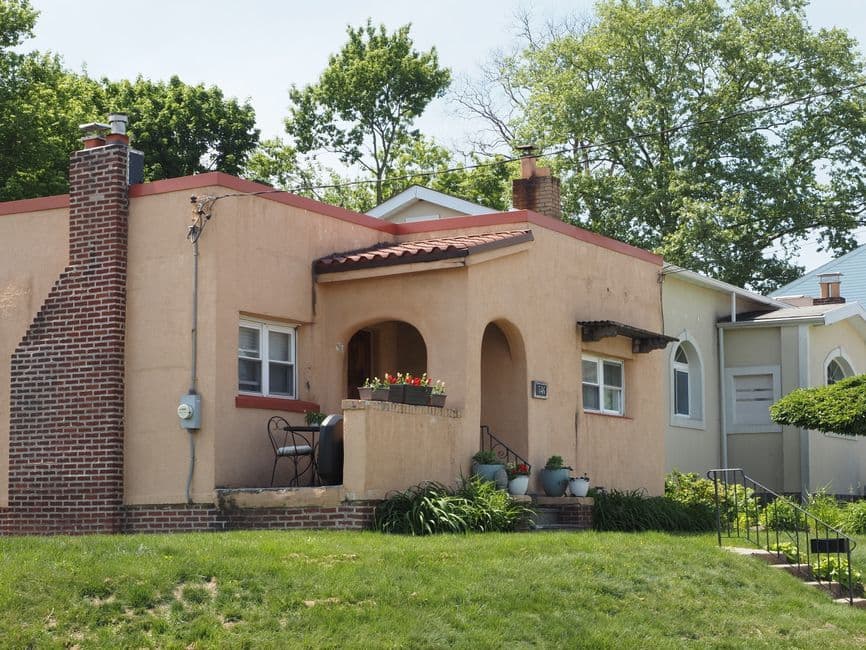
Pittsburgh offers a mix of walkable urban neighborhoods and affordable suburbs. Here's what first-time buyers should understand before making a move.
Read more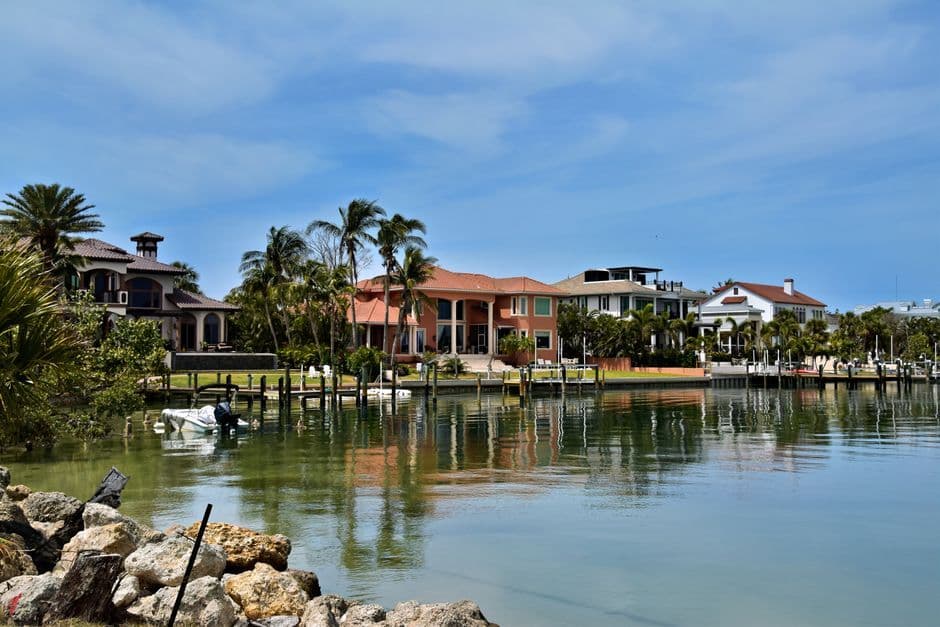
St. Petersburg's mix of walkable neighborhoods, waterfront access, and year-round sunshine draws buyers from across the country. Here is what to know before you make an offer.
Read more
Evansville offers a range of neighborhoods and relatively affordable housing stock by Midwest standards. Here is what first-time buyers need to know before making an offer.
Read more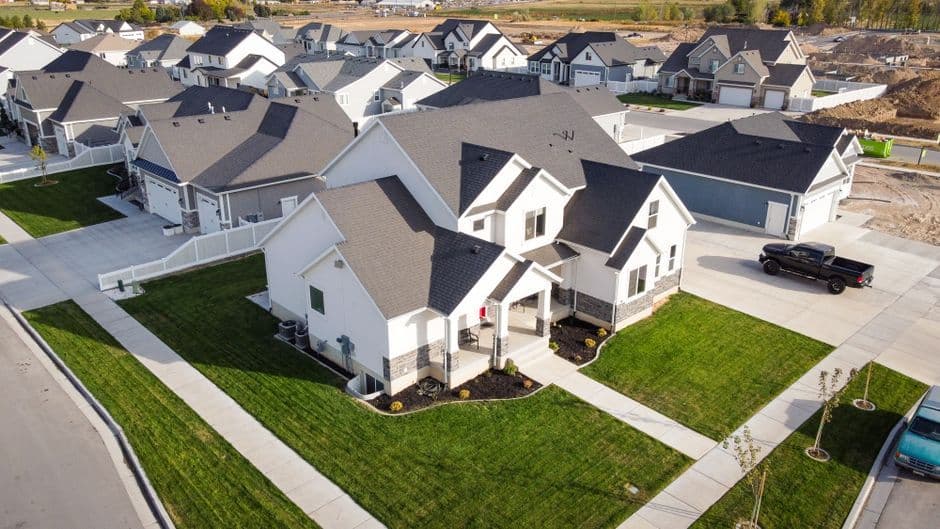
Des Moines offers a range of neighborhoods and relatively accessible entry points for first-time buyers. This guide covers what to know before you apply.
Read more
Colorado Springs offers a range of neighborhoods, terrain, and price points that can suit very different buyers. This guide helps you compare your options clearly before you apply.
Read more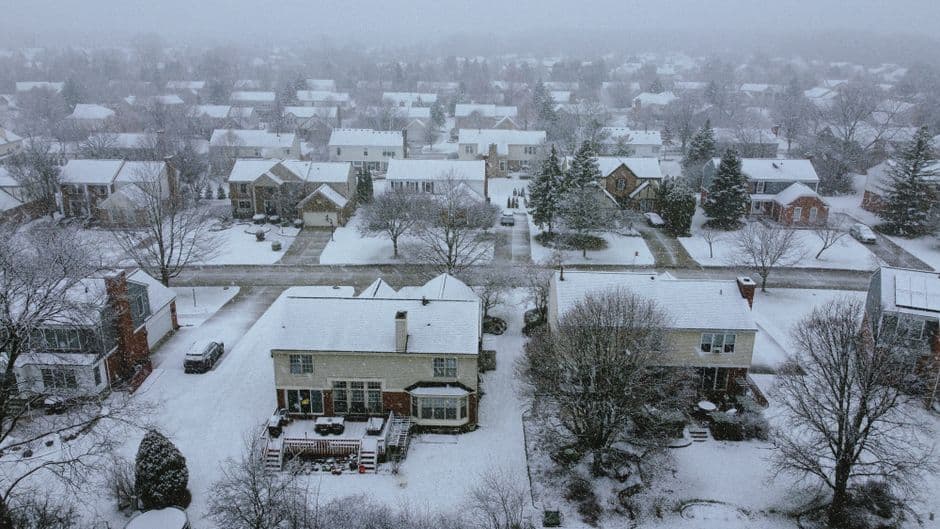
Grand Rapids offers diverse neighborhoods, strong job anchors, and several down payment assistance programs worth knowing before you start your search.
Read more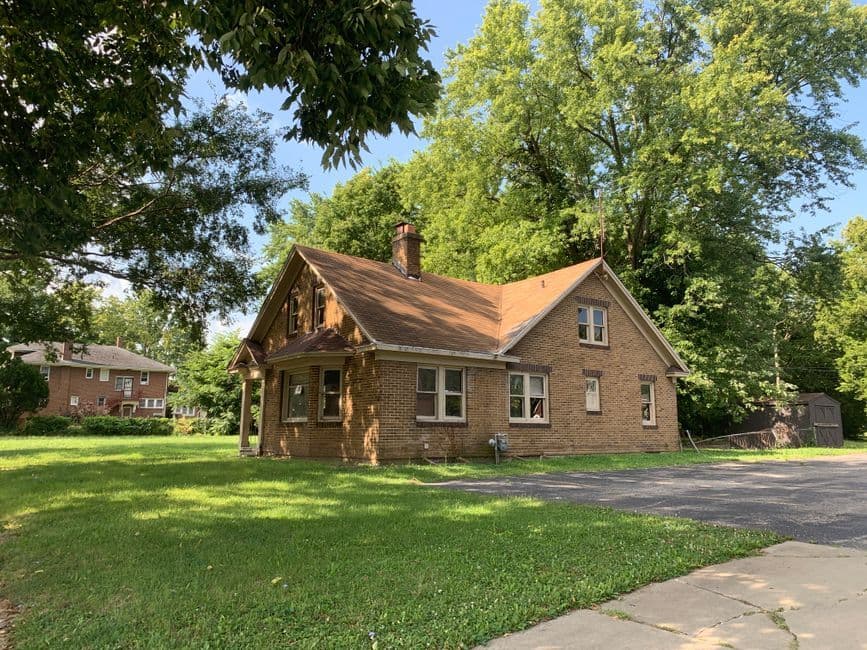
Toledo offers affordable housing, distinct neighborhoods, and strong first-time buyer programs. Here is what to know before you start your search.
Read more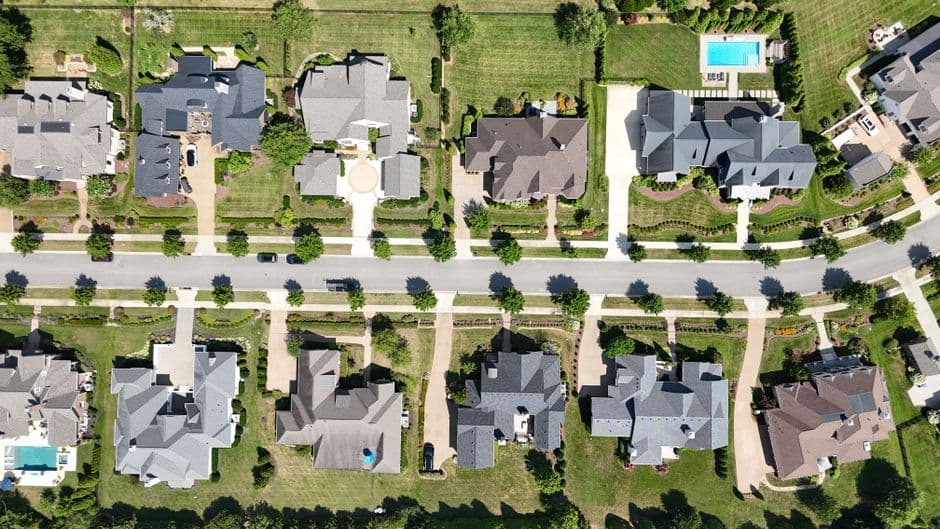
Fort Worth offers first-time buyers a range of neighborhoods, competitive housing stock, and several down payment assistance programs worth knowing before you apply.
Read more
Income limits for Michigan down payment assistance vary by program, county, and household size. Most use AMI-based thresholds. Verify current limits with a lender.
Read more
Indiana offers first-time home buyers down payment assistance and loan programs through the IHCDA. Learn what may be available to Fort Wayne buyers.
Read more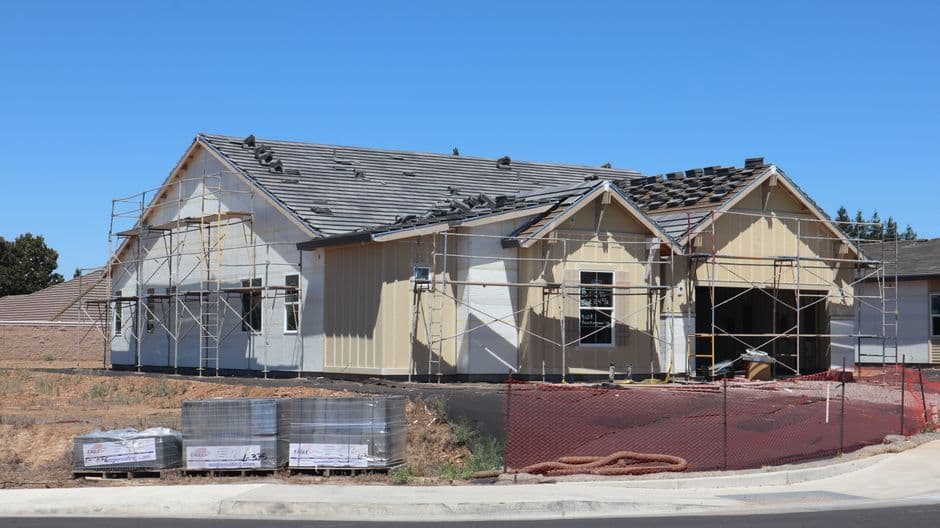
Learn what minimum credit score you need to buy a house in Michigan, including requirements by loan type such as FHA, conventional, VA, and USDA.
Read more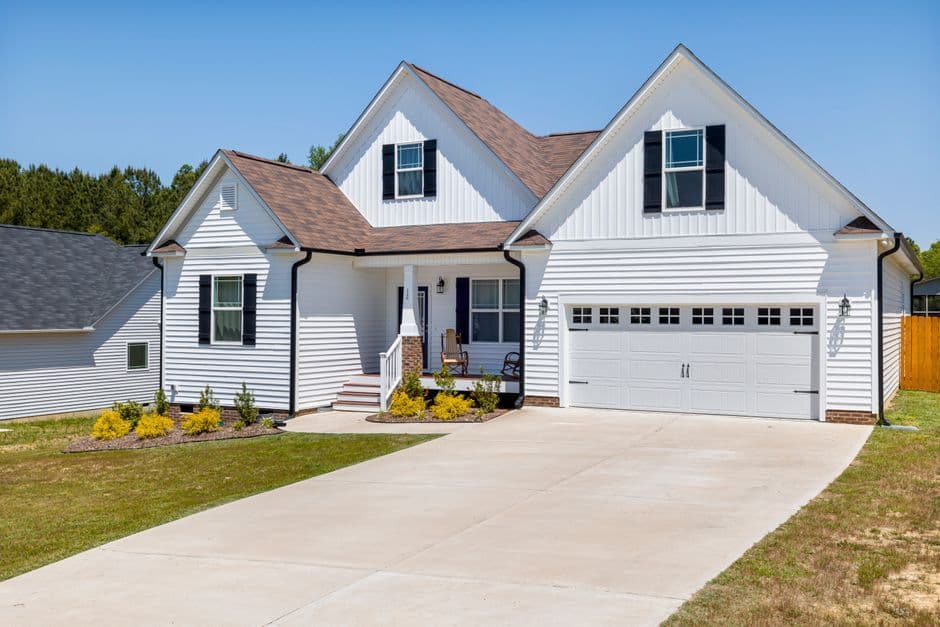
Explore Michigan first-time homebuyer programs in 2026, including MSHDA assistance and federal loan options like FHA, USDA, and VA loans.
Read more
Owning a home in the past 3 years is the top disqualifier. Income limits, credit scores, and DTI ratios can also make you ineligible.
Read more
Indiana income limits for first-time homebuyers vary by program, county, and household size. Fort Wayne buyers should verify current IHCDA thresholds before applying.
Read more
Learn what the $25,000 down payment assistance program in Michigan is, its current status, and what assistance options are available to buyers now.
Read more
Learn how to qualify for first-time home buyer programs in Indiana, including key requirements for Fort Wayne buyers in Allen County.
Read more
Ohio first time home buyer income limits vary by county and household size. Learn how OHFA sets limits and where to confirm current figures.
Read more
Learn who qualifies for Ohio's $5,000 first-time homebuyer grant, including income limits, credit requirements, and how to apply through an approved lender.
Read more
Learn the key requirements for getting an FHA loan in Ohio, including credit score minimums, down payment rules, and property standards.
Read more
Cash to close is more than your down payment. Learn what it includes, how to read your Closing Disclosure, and how to reduce what you owe at the table.
Read moreFrom the Closing Disclosure to the final signature, here is a clear walkthrough of what happens when you close on a house and how to prepare.
Read more
Mortgage lenders pull three scores, not one. Learn which versions they use, how the middle score is chosen, and what else shapes your approval.
Read more
Underwriting is usually the longest single wait in a mortgage closing. Learn what drives the timeline and how to keep it moving.
Read more
Mortgage preapproval tells you what you can borrow before you tour a single home. Here is exactly what to gather, what lenders check, and when to apply.
Read more
Pennsylvania offers several statewide assistance programs that can reduce upfront costs for first-time buyers. Learn which programs stack with an FHA loan and what to consider before applying.
Read more
Colorado offers several statewide programs that can reduce upfront costs for first-time buyers. Learn which options fit your situation and how they work together.
Read more
Michigan offers several down payment assistance programs that can be layered with an FHA loan to reduce what you bring to closing. Here is how they work and who they fit.
Read more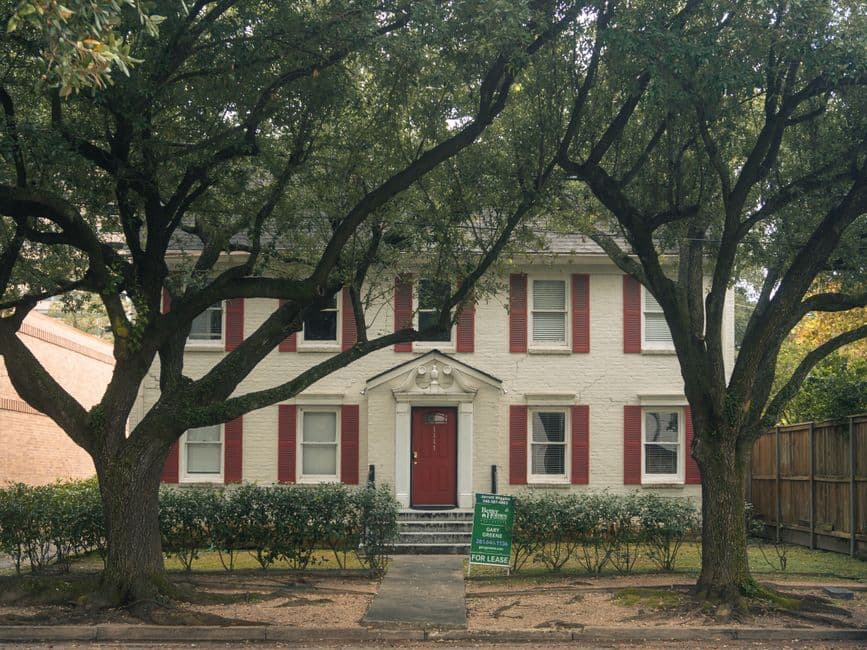
Texas offers several statewide programs that can reduce upfront costs for first-time buyers. Learn which options fit your situation and how to combine them effectively.
Read more
Learn how much income you need to buy a $300k house with an FHA loan in Dayton, OH, based on DTI guidelines and local costs.
Read more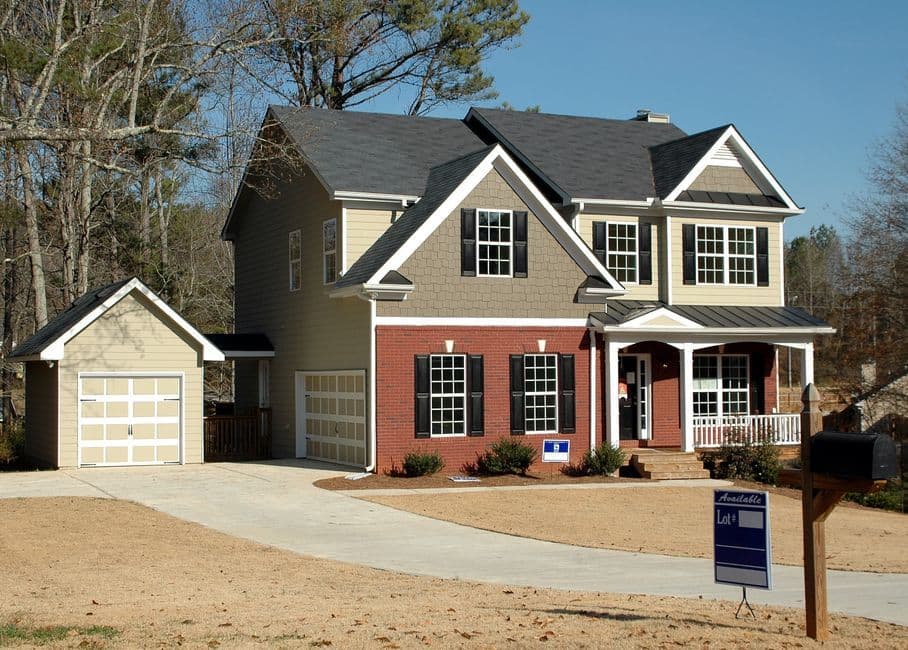
First-time home buyers in Ohio may qualify for down payments as low as 3% to 3.5%, plus state and local assistance programs.
Read more
Learn about Ohio's $20,000 home grant options, including OHFA programs and Dayton-area assistance for eligible homebuyers.
Read more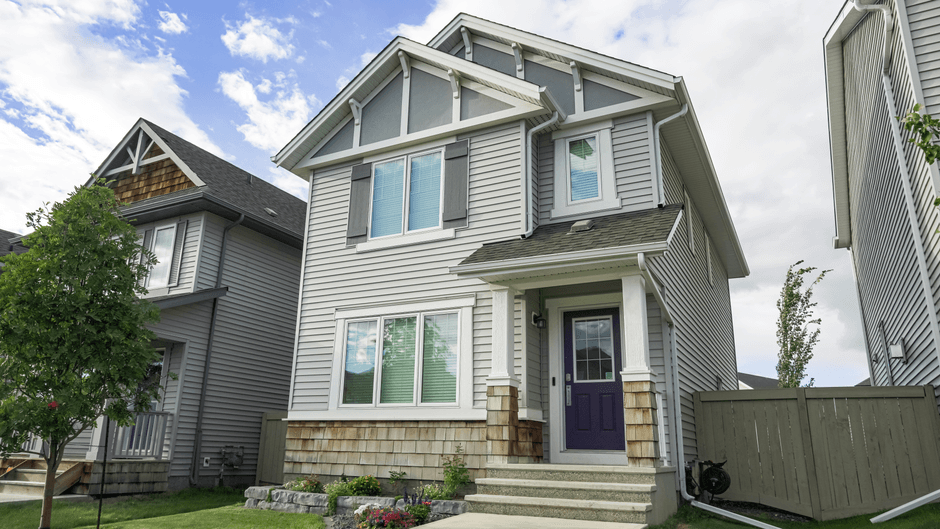
Learn who qualifies for first-time home buyer grants in Ohio, including income limits, residency rules, and education requirements for Dayton-area buyers.
Read moreThe 4 C's of buying a house are credit, capacity, capital, and collateral. Learn how lenders use these factors to evaluate your home loan.
Read more
Find out how much income you typically need to afford a $275,000 home in Indiana, based on DTI guidelines and loan type.
Read more
See what a $10,000 down payment can buy in Columbus, OH, and which loan programs may help you get into a home with that amount saved.
Read more
Closing costs on a house in Indiana typically range from 2% to 5% of the loan amount, covering lender fees, title insurance, appraisal, and more.
Read more
Learn how much down payment you need for a $200,000 house in Columbus, OH, including loan types and local assistance options.
Read more
A $300k house on a $50k salary is possible but tight. Learn how DTI, down payment, and loan programs affect what you can afford.
Read more
There is no $5,000 grant in Ohio. Here is what actually exists: OHFA assistance at 3% to 3.5% of purchase price, and Columbus ADDI up to $14,999.
Read more
Indiana offers below-average home prices and a low cost of living, making it a solid option for many buyers. Learn what to consider before purchasing.
Read more
Low credit, high debt, unstable income, or past financial events like bankruptcy can disqualify you from buying a home.
Read moreThe 3 3 3 rule for home buying suggests spending no more than 3x your income, putting 30% down, and capping monthly costs at 30% of gross income.
Read more
Learn who qualifies for first time home buyer programs in Ohio, including income, credit, and residency requirements for Columbus buyers.
Read more
A local mortgage lender offers more than convenience. Learn what makes local lending different and when it genuinely matters for your home purchase.
Read more
Mortgage rates aren't set by the Fed alone. They emerge from a layered system of bond markets, investor risk pricing, and your own financial profile. Here's how it works.
Read more
Florida offers several statewide assistance programs that can reduce upfront costs for first-time buyers. Learn how they work and how to use them alongside an FHA loan.
Read more
Fort Wayne offers a range of neighborhoods, relatively accessible price points, and several down payment assistance programs worth knowing before you apply.
Read more
Indiana offers several assistance programs that can reduce what you bring to closing. Here is how they work and how to use them alongside an FHA loan.
Read moreFHA and conventional loans serve different borrowers. This comparison helps Ohio homebuyers weigh credit flexibility, down payment, and long-term cost before choosing.
Read more
Most Ohio home purchases close in 30 to 60 days, but the actual timeline depends heavily on loan type, title work, and appraisal scheduling.
Read more
Cincinnati offers a range of neighborhoods, competitive housing costs relative to other major metros, and several assistance programs for first-time buyers.
Read more
Dayton offers some of the most accessible home prices in Ohio, but knowing where to buy and how to finance matters. This guide covers what first-time buyers need to know.
Read more
Columbus offers a range of neighborhoods, a growing job market, and several down payment assistance programs. Here is what first-time buyers should know before starting.
Read more
Ohio offers several statewide programs that can reduce upfront costs for first-time buyers. Learn which programs stack with FHA loans and what to watch before applying.
Read moreTalk to a real loan officer today — no credit pull, no commitment. Just answers.
Ready in 2 min
See what I qualify for